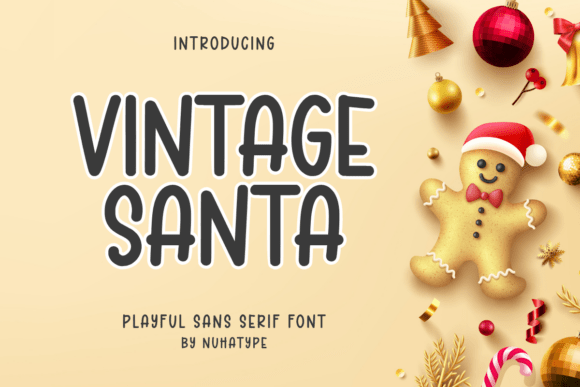
Vintage Santa: A Warm Sans Serif for Digital Design
A Font with Personality
Vintage Santa is a sans serif handwriting font that brings a soft, friendly, and natural look to any digital project. Its handcrafted appearance adds warmth and character, making it ideal for designers looking to create a welcoming and approachable brand identity. Unlike traditional sans serifs, Vintage Santa maintains a handwritten feel while retaining the clarity and legibility required for web design.
Designing with Readability in Mind
Readability is key in digital design, especially when working with text on screens. Vintage Santa strikes a balance between personality and performance. Its open letterforms and gentle curves make it easy to read at small sizes, which is crucial for buttons, call-to-action sections, and mobile layouts. When used in headers or hero sections, its friendly tone helps set the right emotional tone for the user experience.
Visual Hierarchy and Brand Tone
Visual hierarchy is essential for guiding users through a website or app. Vintage Santa can be used strategically to emphasize important elements like headlines, product titles, and promotional offers. Its casual yet refined style works well for creative portfolios, boutique online stores, and branding projects where a warm, inviting tone is desired.
For instance, using Vintage Santa as a primary typeface for a coaching website can help establish a personal connection with the audience. Pairing it with a clean sans serif for body copy creates a visual rhythm that enhances readability without overwhelming the reader.
Where to Use Vintage Santa
- Website Headers: Vintage Santa’s friendly look makes it perfect for page titles and section headers.
- Hero Sections: It adds a charming touch to banners and introductory content.
- Call-to-Action Buttons: The font’s approachable nature encourages clicks and engagement.
- Online Store Banners: Vintage Santa can elevate product displays with a nostalgic, handmade aesthetic.
- Blog Graphics: It’s great for social media posts, email newsletters, and digital ads.
- Course Sales Pages: The font’s warmth aligns well with educational and creative content.
- Portfolio Sites: It supports a designer’s brand by adding a personal, artistic flair.
- Branded Web Content: From landing pages to marketing assets, Vintage Santa supports consistent brand messaging.
Responsive Design Considerations
When designing for mobile and responsive layouts, it’s important to ensure that fonts remain legible across all screen sizes. Vintage Santa performs well in smaller sizes, but it’s recommended to test it on dark and light backgrounds, image overlays, and high-contrast settings to maintain clarity.
For buttons and short phrases, use heavier weights to enhance visibility. On larger screens, consider using it for decorative accents or secondary text to complement more structured typography.
Font Pairing Strategies
Pairing fonts effectively can elevate the overall design of a project. Vintage Santa pairs well with modern sans serifs for a balanced look. For example, pairing it with a simple sans serif like Montserrat or Inter can create a dynamic contrast that highlights both creativity and professionalism.
If you’re aiming for an editorial feel, consider pairing Vintage Santa with a serif font like Playfair Display. This combination can add depth and sophistication to your design while maintaining readability.
Commercial Font Licensing
When using Vintage Santa in commercial projects, it’s important to understand the licensing terms. Most premium fonts, including Vintage Santa, offer commercial use rights for websites, client projects, online stores, landing pages, and digital templates. Always check the included styles, file formats, and multilingual support to ensure compatibility with your project needs.
Conclusion
Vintage Santa is more than just a font—it’s a tool for creating meaningful digital experiences. Whether you’re designing a creative portfolio, a boutique store, or a brand-focused website, this font offers versatility, warmth, and readability. By understanding how to use it effectively in different contexts, you can enhance user engagement, build trust, and strengthen your brand’s online presence.