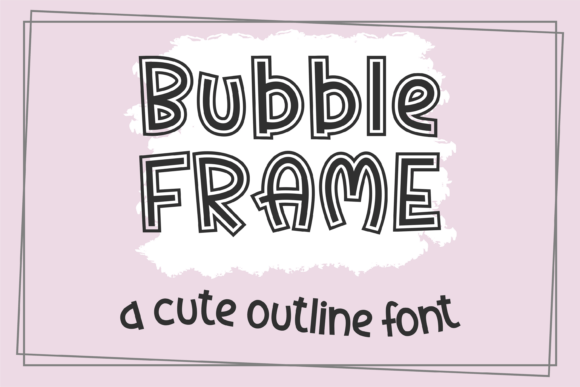
Bubble Frame Font: A Playful Addition to Editorial Design
What Is Bubble Frame?
The Bubble Frame Font is a playful, outlined, and energetic handwritten typeface designed to add a vibrant and sketchy touch to your creative projects. With its bold and fun personality, it brings a sense of creativity and spontaneity to any design. This display font is ideal for those looking to infuse their editorial work with a unique visual flair.
Why Bubble Frame Stands Out in Editorial Design
Bubble Frame’s distinct style makes it a standout choice for editorial design. Its hand-drawn appearance adds warmth and character, making it perfect for covers, headings, and pull quotes. The font's playful nature aligns well with lifestyle, fashion, and creative content, helping to set the tone for a more engaging reader experience.
Its outlined structure gives it a light and airy feel, which can be particularly effective in digital layouts where clarity and visual interest are both important. Whether you're designing a blog post, an ebook, or a printable guide, Bubble Frame offers a versatile solution that supports both aesthetics and readability.
Where to Use Bubble Frame in Your Work
Bubble Frame is best suited for titles, section headers, and decorative elements rather than long body text. Here are some practical applications:
- Blog Headers: Use it for catchy headlines or page titles to draw readers in.
- Magazine Covers: Add a bold and eye-catching presence to your publication’s front cover.
- Ebook Titles: Make your book stand out with a dynamic title that reflects your brand’s personality.
- Newsletter Graphics: Incorporate it into pull quotes or featured sections for a fresh look.
- Printable Guides: Use it for chapter openers or key takeaways to create visual breaks in dense content.
- Lead Magnets: Enhance the visual appeal of downloadable resources like worksheets or planners.
- Content Branding: Build a consistent visual identity by using Bubble Frame across your brand materials.
By strategically placing Bubble Frame in these areas, you can enhance the overall design without overwhelming the reader. It’s a great tool for adding visual hierarchy and guiding attention through your content.
Font Pairing Tips for Editorial Projects
To maintain balance and readability, consider pairing Bubble Frame with complementary fonts. For example, pair it with a clean sans serif or a traditional serif font for body copy. This combination ensures that while your headers and accents pop, the main text remains easy to read.
For web and mobile layouts, ensure that the font renders clearly at different sizes and on various devices. When exporting to PDF or print, double-check that the font maintains its integrity and does not distort or break.
If you're working on a digital magazine or a website, consider using Bubble Frame as part of a larger typographic system. It can serve as a highlight font for navigation menus, call-to-action buttons, or social media graphics, reinforcing your brand’s creative identity.
Readability and Accessibility Considerations
While Bubble Frame is visually appealing, it’s important to use it thoughtfully to maintain readability. Avoid using it for long passages of text, as its stylized form may reduce legibility. Instead, reserve it for short phrases, headings, and decorative elements.
When designing for screen reading, ensure that the contrast between the font and background is sufficient. Test the font in different lighting conditions and on various screen sizes to guarantee optimal visibility. For print, check that the font works well with the paper stock and ink quality to preserve its intended effect.
Commercial Licensing and Practical Use
Bubble Frame is a commercial font, making it suitable for a wide range of projects, including ebooks, templates, printables, paid newsletters, client publications, and digital downloads. Always verify the licensing terms to ensure compliance with your intended use.
Whether you’re creating a lifestyle blog, a recipe ebook, a wedding guide, or a coaching workbook, Bubble Frame can help elevate your design and strengthen your brand identity. Its versatility and charm make it a valuable asset in any designer’s toolkit.
Conclusion
Bubble Frame is more than just a font—it’s a design tool that enhances editorial work with creativity and energy. By understanding its strengths and limitations, you can use it effectively to support your brand, engage your audience, and create visually compelling content. With thoughtful application, Bubble Frame can become a signature element of your publishing work.